Three years ago, most lash serums sold in Europe contained prostaglandin analogues. Bimatoprost, isopropyl cloprostenate, dechloro dihydroxy difluoro ethylcloprostenolamide. Names you'd need a chemistry degree to pronounce, compounds originally developed for glaucoma treatment. They worked. They also came with a list of side effects that made dermatologists uncomfortable.
In 2026, the market looks different. Peptide-based, prostaglandin-free formulas now outsell their prostaglandin counterparts across Scandinavia and Western Europe. Consumers read ingredient lists. Salon professionals recommend alternatives. The shift happened fast, and for good reasons.
We've spent 10 years in salons treating brows and lashes. We've seen what prostaglandins do to periorbital skin over six, twelve, eighteen months of use. We've also seen what happens when clients switch to peptide-based formulas. This guide covers everything we know.
In this guide
- What prostaglandins do to your lashes (and your eyes)
- The side effects nobody warned you about
- How peptide-based serums work differently
- Key ingredients in prostaglandin-free formulas
- Prostaglandin vs. prostaglandin-free: a direct comparison
- How to choose the right serum for your eyes
- What to expect: timelines and results
- Frequently asked questions
What prostaglandins do to your lashes
Prostaglandin analogues extend the anagen (growth) phase of the lash hair cycle. A lash that normally grows for 30 days keeps growing for 45 or 60. The result: longer, thicker-looking lashes within 8 to 12 weeks.
The mechanism is borrowed from ophthalmology. Bimatoprost (sold as Latisse in the US, Lumigan in Europe) was approved for glaucoma in 2001. Doctors noticed a side effect: patients grew longer eyelashes. Allergan saw an opportunity and launched Latisse as a cosmetic product in 2008.
Cosmetic companies followed with their own prostaglandin analogues. Isopropyl cloprostenate. Methylamido dihydro noralfaprostal. These synthetic versions skirt pharmaceutical regulations by using slightly modified molecular structures while targeting the same biological pathway.
The growth effect is real. So are the consequences of manipulating prostaglandin receptors around your eyes for months or years.
The side effects nobody warned you about
Prostaglandin analogues interact with melanocytes in the iris and periorbital skin. Doctors documented these effects in glaucoma patients long before lash serums reached cosmetic shelves.
Periorbital fat loss. Prostaglandins can cause the fat pads around your eyes to shrink. Ophthalmologists call this prostaglandin-associated periorbitopathy (PAP). Your eyes look sunken, hollow. The effect can take months to reverse after you stop using the product.
Iris colour change. In people with mixed-colour irises (hazel, green-brown), prostaglandins can permanently darken the iris. The European Medicines Agency lists this as a known side effect of bimatoprost. The word "permanent" matters.
Eyelid skin darkening. The skin on your upper lid can develop hyperpigmentation. You'll notice a brownish discolouration that looks like a bruise or exhaustion. It fades after stopping use, but slowly.
Redness and irritation. Contact dermatitis. Itching. Red, dry eyes. These are the common, everyday side effects that most users accept as normal. They shouldn't be.
From our salons: We've consulted with hundreds of clients who switched from prostaglandin-based serums. The most common complaint? "I didn't know the hollowing around my eyes was from my lash serum." Periorbital fat loss is subtle. You blame aging, tiredness, stress. You keep applying the serum. The problem gets worse.
How peptide-based serums work differently
Peptide-based lash serums don't manipulate prostaglandin receptors. They use bioactive peptides, plant extracts, and amino acids to strengthen the lash follicle and support healthy growth without interfering with the hormonal pathways around your eyes.
The approach is different from the ground up. Instead of forcing a longer growth phase (and accepting the side effects that come with it), peptide formulas work on three fronts:
Follicle nourishment. Peptides like Myristoyl Pentapeptide-17 and Biotinoyl Tripeptide-1 deliver amino acid building blocks directly to the hair follicle. You're feeding the lash, not drugging it.
Breakage prevention. Panthenol, biotin, and keratin-strengthening compounds reduce lash breakage. Many people think they have short lashes when they actually have brittle lashes that snap before reaching full length.
Scalp and follicle health. Hyaluronic acid and plant-based extracts keep the lash line hydrated and the follicle environment healthy. A healthy follicle produces a stronger lash.
The results take slightly longer to appear. Most clients see visible change at 6 to 8 weeks, with full results at 12 weeks. You'll keep your eye colour, your periorbital fat, and your skin tone.
Key ingredients in prostaglandin-free formulas
Myristoyl Pentapeptide-17
Stimulates keratin production in the hair follicle. Clinical studies show a 25% increase in lash length over 12 weeks without prostaglandin-related side effects.
Biotinoyl Tripeptide-1
Anchors the hair in the follicle and reduces premature shedding. Combined with biotin, it strengthens the lash structure from root to tip.
Panthenol (Pro-Vitamin B5)
Penetrates the hair shaft and binds moisture. Reduces brittleness and breakage. Used in ophthalmology-grade eye drops, so you know it's gentle on the eye area.
Hyaluronic Acid
Keeps the lash line and follicle hydrated. Creates an optimal environment for growth. Lightweight, non-irritating, suitable for sensitive eyes and contact lens wearers.
Red Clover Extract
Contains biochanin A, which inhibits 5-alpha reductase (the enzyme linked to hair miniaturisation). Supports thicker, fuller growth without hormonal disruption.
Biotin
A B-vitamin essential for keratin production. Applied topically, it strengthens the hair at the cellular level. No systemic side effects when used in serum form.
Prostaglandin vs. prostaglandin-free: direct comparison
| Factor | Prostaglandin-based | Prostaglandin-free (peptide) |
|---|---|---|
| Growth mechanism | Extends anagen phase via hormone receptors | Nourishes follicle with peptides and amino acids |
| Time to visible results | 8-12 weeks | 6-12 weeks |
| Iris colour change risk | Yes (can be permanent) | No |
| Periorbital fat loss | Documented risk | No |
| Eyelid darkening | Common | No |
| Safe for sensitive eyes | Often irritating | Ophthalmologist-approved ingredients |
| Safe with contact lenses | Varies, often not recommended | Yes |
| Pregnancy/nursing safe | Not recommended | Consult your doctor, but no prostaglandin risk |
| Long-term use | Increasing concern about cumulative effects | No known long-term risks |
| Lash dependency | Lashes often thin rapidly after stopping | Gradual return to baseline |
| EU regulatory status 2026 | Under increased scrutiny | Fully compliant |
How to choose the right prostaglandin-free serum
Reading an ingredient list on a lash serum takes 30 seconds. That half-minute can save you months of dealing with side effects.
Check for hidden prostaglandin analogues. Some brands market as "gentle" or "natural" while still containing prostaglandin derivatives. Look for: isopropyl cloprostenate, methylamido dihydro noralfaprostal, dechloro dihydroxy difluoro ethylcloprostenolamide, or any compound ending in "-prost" or "-prostol."
Look for clinical peptides. The formula should contain at least one clinically studied lash peptide (Myristoyl Pentapeptide-17, Biotinoyl Tripeptide-1, or Acetyl Tetrapeptide-3). Marketing terms like "peptide complex" without naming specific compounds are a red flag.
Verify the application method. A good prostaglandin-free serum uses a thin applicator that places product at the lash line. Wand applicators coat the lashes like mascara, which wastes product and reduces follicle-level delivery.
Consider the brand's professional background. Companies with salon or clinical experience formulate differently from brands that started in marketing. Ask: does this brand have professionals using their products on real clients every day?
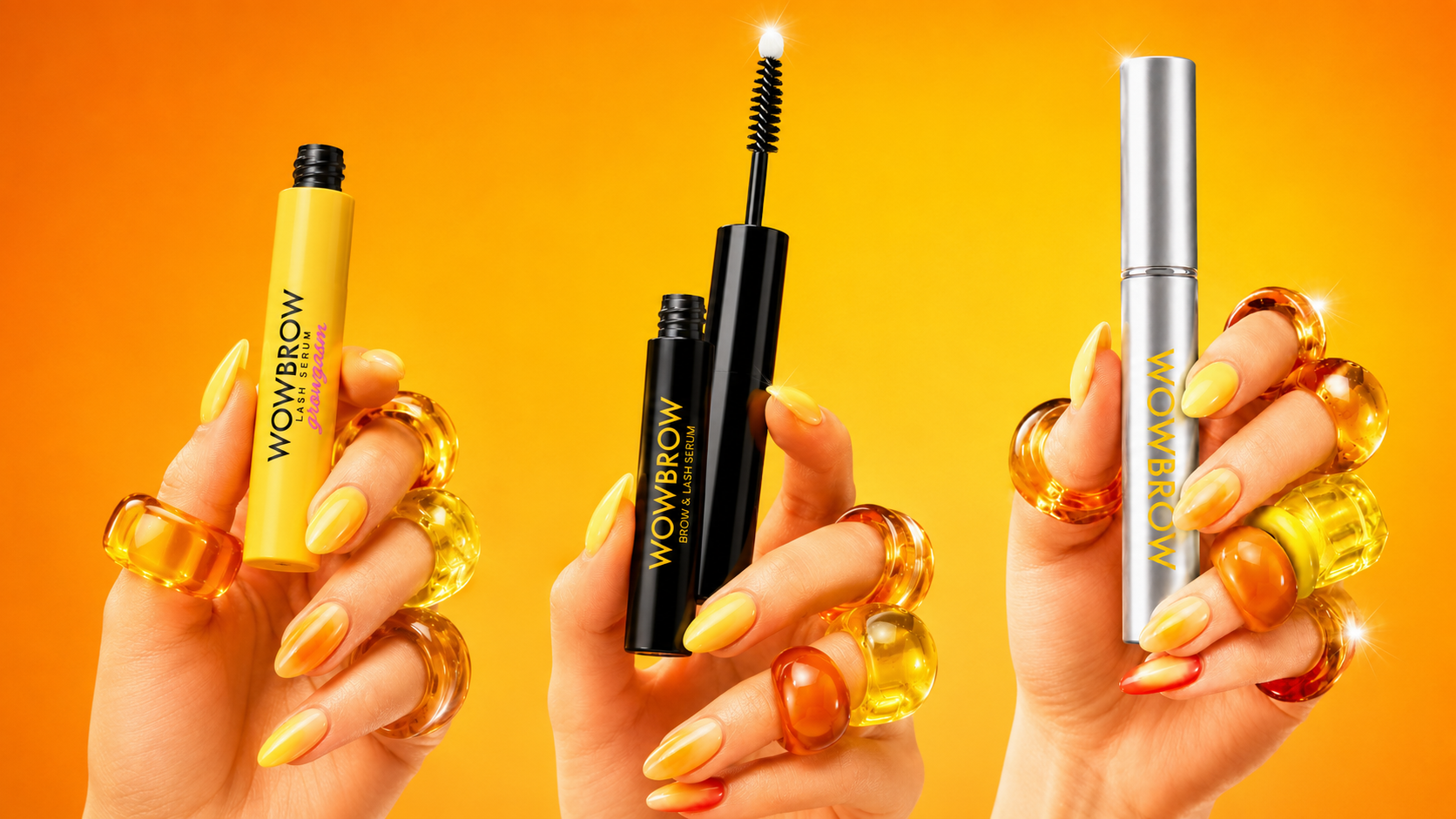
The WOWBROW approach: Our Brow & Lash Serum was developed across 5 salons over 10 years of hands-on brow and lash treatment. The formula is 100% prostaglandin-free, built on peptides, biotin, and panthenol. We use it on our salon clients daily. Every ingredient was chosen because we'd put it near our own eyes.
What to expect: timelines and results
Week 1-2: You won't see growth yet. The peptides are working at the follicle level, strengthening the base of new lashes that haven't emerged. Your existing lashes may feel slightly smoother due to the conditioning ingredients.
Week 3-4: Reduced lash fallout. You'll notice fewer lashes on your cotton pad when removing makeup. The breakage-prevention ingredients (panthenol, biotin) start showing results before the growth peptides do.
Week 6-8: Visible length increase. New lashes growing in will be slightly longer and thicker than your pre-serum baseline. Most clients notice the change at this stage.
Week 10-12: Full results. A complete lash growth cycle takes about 90 days. By week 12, every lash on your lid has grown under the influence of the peptide formula. This is when before/after photos show the clearest difference.
Ongoing use: Continue applying once daily to maintain results. Unlike prostaglandin-based serums (where lashes can thin dramatically after stopping), peptide formulas allow a more gradual return to baseline if you discontinue. Many clients reduce to every-other-day application after 12 weeks.
Frequently asked questions
Can I switch from a prostaglandin serum to a prostaglandin-free one?
Yes. You may experience a brief period (2-4 weeks) where your lashes appear thinner as the prostaglandin effect wears off. This is temporary. The peptide formula will begin building results within 6-8 weeks. Many of our salon clients have made this switch successfully.
Are prostaglandin-free serums less effective?
They work differently. Prostaglandin serums force longer growth at the cost of side effects. Peptide serums build healthier, stronger lashes over time. The end result is comparable, and you keep it without the risks. Clinical studies on Myristoyl Pentapeptide-17 show measurable length and density increases.
I wear contact lenses. Is a prostaglandin-free serum safe?
Peptide-based formulas with ophthalmologist-approved ingredients (panthenol, hyaluronic acid) are safe for contact lens wearers. Apply the serum at night after removing your lenses, and insert your lenses in the morning as usual.
Will a prostaglandin-free serum change my eye colour?
No. Iris colour changes are caused by prostaglandin interaction with melanocytes in the iris. Peptide-based formulas do not interact with these receptors and carry zero risk of iris pigmentation changes.
Is it safe to use during pregnancy?
Prostaglandin-free formulas avoid the hormone-pathway concerns that make prostaglandin serums unsuitable during pregnancy. That said, always consult your healthcare provider before starting any new cosmetic product during pregnancy or nursing.
How do I know if my current serum contains prostaglandins?
Check the ingredient list for any compound containing "prost" in the name: isopropyl cloprostenate, bimatoprost, methylamido dihydro noralfaprostal, dechloro dihydroxy difluoro ethylcloprostenolamide. If you find one, your serum contains a prostaglandin analogue.
Why are more European brands going prostaglandin-free?
EU regulators have increased scrutiny on prostaglandin analogues in cosmetics. Consumer awareness has grown. Salon professionals recommend safer alternatives. And peptide science has advanced to a point where prostaglandins are no longer necessary to get results.
Try WOWBROW Brow & Lash Serum
100% prostaglandin-free. Developed in our salons over 10 years.
Peptide-based. Ophthalmologist-friendly. Visible results in 6-8 weeks.
Sources & further reading
European Medicines Agency. Bimatoprost summary of product characteristics. EMA/2019.
Wand M. "Latanoprost and periorbital skin color changes." Archives of Ophthalmology, 2001.
Jayaprakasam A, Ghazi-Nouri S. "Periorbital fat atrophy: an unfamiliar side effect of prostaglandin analogues." Orbit, 2010.
Park J, et al. "Myristoyl pentapeptide-17 stimulation of hair growth." Journal of Cosmetic Dermatology, 2017.
EU Cosmetics Regulation (EC) No 1223/2009, Annex II and III updates 2024-2026.